Adventure-Ready: Best Supplies for Your Next Expedition

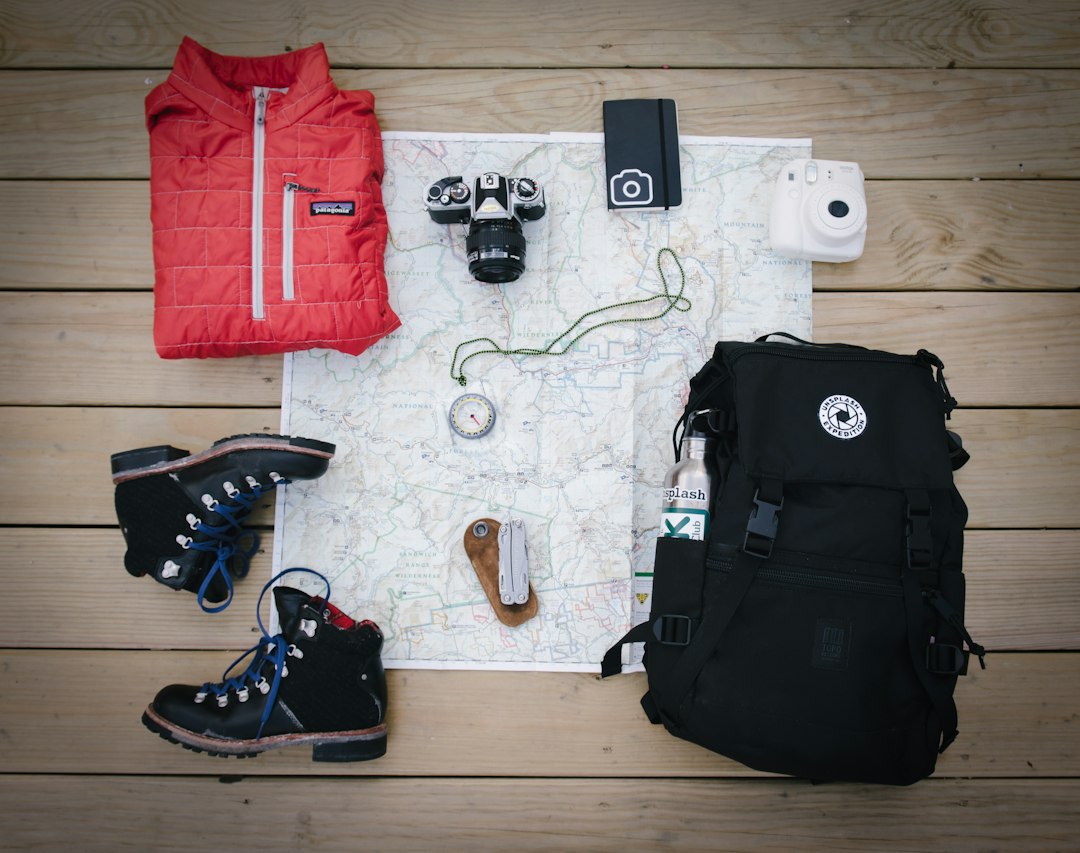
As the world becomes increasingly aware of the environmental impact of our choices, preparing for your next adventure requires a thoughtful approach to gear selection. At explorermores.com, we believe that every piece of equipment should not only enhance your experience but also reflect a commitment to sustainability. This checklist will guide you through essential gear while emphasizing eco-conscious decisions that support ethical sourcing and environmental stewardship.
Your clothing choices can significantly impact the environment, so opting for sustainable materials is crucial. Look for brands that use organic cotton, recycled polyester, or hemp, as these materials reduce the carbon footprint associated with production. Additionally, consider clothing that is certified by standards like Fair Trade, which ensures that workers are paid fairly and work in safe conditions, fostering trust in the brands you support.
When selecting outdoor clothing, prioritize durability and versatility. Investing in high-quality, long-lasting gear means fewer replacements over time, which is better for the planet. Remember to check for water-resistant options made from eco-friendly materials, as these can keep you dry without relying on harmful chemicals that can leach into the environment.
Your choice of footwear is another critical aspect of your adventure gear. Look for shoes made from recycled materials or those that utilize sustainable practices in their manufacturing processes. Brands that adhere to environmental standards often provide transparency about their sourcing and production methods, which can enhance your trust in their products.
Comfort is key when it comes to footwear, especially for long hikes or treks. Choose shoes that offer good support and are designed for the terrain you’ll encounter. Additionally, consider the lifecycle of your footwear; brands that offer repair services or recycling programs can help reduce waste and promote a circular economy.
When it comes to camping, selecting gear that minimizes environmental impact is essential. Look for tents and sleeping bags made from recycled materials or those that are designed to be lightweight and durable. A good tent should not only protect you from the elements but also be easy to pack and transport, reducing the need for multiple trips.
Cooking equipment is another area where sustainability matters. Opt for compact, multi-functional cooking gear that reduces the need for excess items. Solar-powered cookers or portable stoves that use renewable fuel sources can significantly lessen your carbon footprint while enjoying the great outdoors.
Staying hydrated is vital during any adventure, but traditional bottled water contributes to plastic waste. Instead, invest in a high-quality reusable water bottle or hydration system. Look for options that are made from stainless steel or BPA-free materials, ensuring that your choice is safe for both you and the environment.
Additionally, consider water filtration systems that allow you to source water from natural bodies without the need for single-use plastic bottles. These systems not only reduce waste but also encourage responsible water usage, making them an essential part of your eco-friendly gear checklist.
In the age of technology, navigation tools have become essential for adventurers. However, it’s important to choose devices that are energy-efficient and have a minimal environmental impact. Solar-powered GPS devices or those that can be charged via renewable energy sources are excellent choices for eco-conscious travelers.
Moreover, consider traditional navigation methods, such as maps and compasses, which do not rely on batteries or electronic components. These tools not only reduce your reliance on technology but also encourage a deeper connection with the natural world around you.
We know the thrill of adventure and the challenges it brings. Our empathetic team is here to support you with the best supplies.